


How Often Should You Have Your Drains Professionally Cleaned?
A slow or clogged drain is easy to ignore when the water eventually goes down. The problem is that recurring drainage issues can be a sign of buildup developing deeper inside your plumbing system. What starts as a minor inconvenience can eventually lead to a stubborn blockage or a larger drainage problem. So, how often should you have your drains professionally cleaned? There is no single schedule that applies to every home or business. The right frequency depends on the age and condition of your plumbing, how heavily your drains are used, and whether you have a history of recurring clogs or slow drains. Some plumbing systems may only need professional cleaning when a problem develops, while others may benefit from periodic maintenance.
Low water pressure is more than just an inconvenience. Sometimes, it's caused by a simple issue like a partially closed valve or a clogged faucet aerator. Other times, it can be an early warning sign of a plumbing problem that needs attention.
At Quality Service Plumbing, we help homeowners throughout the Boise area identify and resolve plumbing issues, including problems that affect water pressure. Understanding what causes low water pressure can help you recognize when there's a simple solution and when it's time to call a professional.
Here are seven common causes of low water pressure, what to look for, and when to call a plumber.
Do Drains Need to Be Cleaned Regularly?
As that buildup increases, blockages can become more likely. A drain that consistently flows well may not need professional attention, but repeated slowdowns or clogs can indicate that material is accumulating farther inside the plumbing system. In those situations, clearing the immediate blockage may only solve the problem temporarily.
How Often Should You Have Your Drains Professionally Cleaned?
More frequent service may be useful in homes with older plumbing, heavy water usage, recurring kitchen or bathroom clogs, or a history of sewer and drain line problems. The same can be true for businesses where drains are used heavily throughout the day. If a drain repeatedly slows down or becomes clogged shortly after being cleared, that is a good reason to investigate what is causing the problem instead of continuing to treat the same symptom.
Signs Your Drains May Need Cleaning
Recurring clogs are another important warning sign. If the same drain continues to clog even after it has been cleared, there may be buildup farther down the line or another issue affecting the pipe. Gurgling sounds can also occur when restricted drainage affects the movement of water and air through the plumbing. When several fixtures begin draining slowly around the same time, the problem may involve a larger section of the drainage system.
Drain Cleaning Is More Than Removing a Clog
This distinction becomes more important when a drain continues to develop problems. If grease, sludge, mineral deposits, or other debris remain inside the pipe, another clog may form after the initial blockage has been cleared. The EPA identifies sewer cleaning as a maintenance method that can remove deposits such as solids, grease, and root intrusion from sewer pipes.
When Is Hydro Jetting Necessary?
Hydro jetting is not necessary for every clogged drain, and it is not appropriate for every plumbing system. The age and condition of the pipe, the type of blockage, and the underlying cause of the drainage problem should all be considered before choosing this method. In particular, the EPA notes that high-pressure jetting can cause problems when used on damaged or weakened piping, which is one reason proper evaluation is important before the service is performed. Learn more in our article, Hydro Jetting: A Powerful Way to Clean Tough Drain and Sewer Line Blockages.
Why a Camera Inspection May Be Recommended
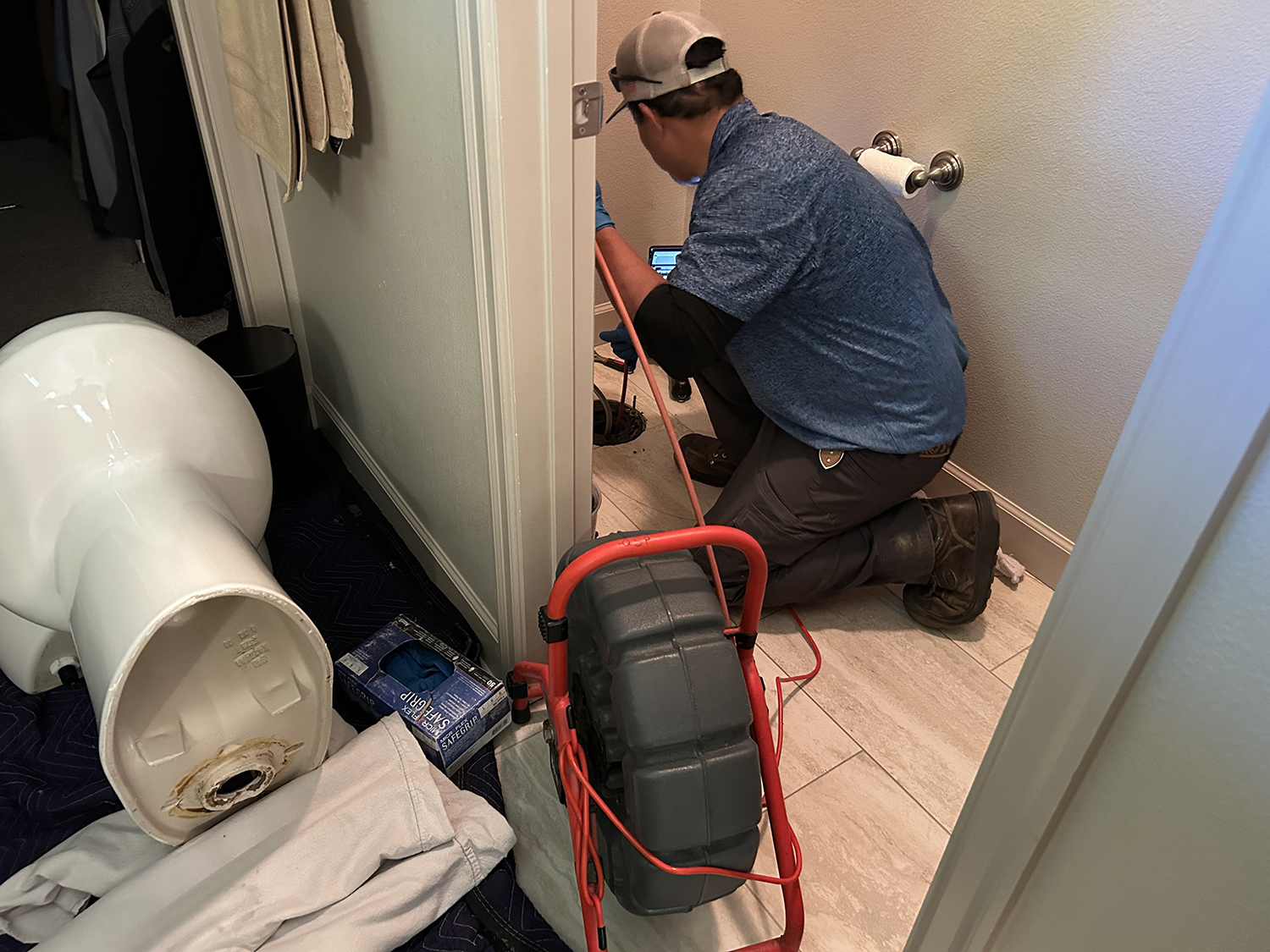
Depending on what is found, a camera inspection may reveal heavy buildup, a persistent blockage, damaged pipe sections, or root intrusion. The EPA also identifies camera inspection as a method that can be used to evaluate certain piping for blockages and other conditions. This information can help determine whether the right solution is standard drain cleaning, hydro jetting, a repair, or another plumbing service.
How Can You Help Prevent Drain Problems?
In bathrooms, drain screens can help catch hair and other material before it reaches the pipe. It is also important to pay attention to early warning signs. A drain that is becoming noticeably slower should not be ignored simply because it still works. Addressing a recurring problem early may help prevent a more severe blockage and can make it easier to determine whether the issue is limited to one drain or connected to a larger plumbing problem.
When Should You Call a Plumber?
If you have a drain that is consistently slow, repeatedly clogs, produces unusual sounds, or is part of a larger drainage problem affecting multiple fixtures, it may be time to have the system evaluated. A professional can determine whether the issue can be resolved with standard drain cleaning or whether a more thorough inspection or cleaning method is needed.
Quality Service Plumbing helps homeowners and businesses throughout the Boise area address clogged, slow, and recurring drain problems. If you are dealing with a stubborn blockage or drainage issue, call 208-866-7903 to request service, or get in touch through our website and find out what your plumbing system may need.
